
Signs Your Hormones Might Be Out of Balance (and What to Do About It)
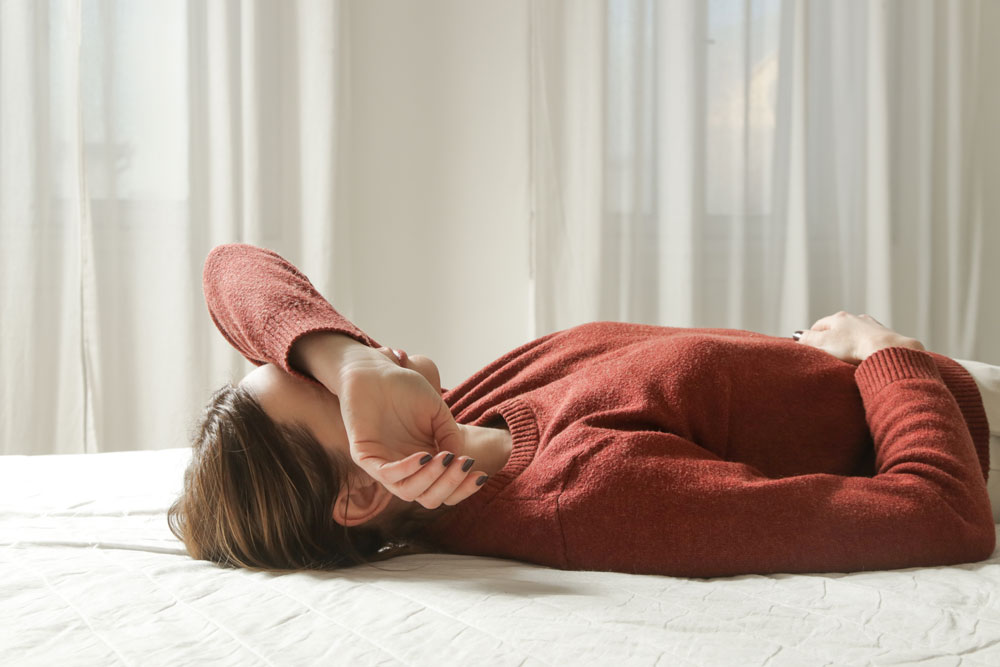
You expect some changes with age. You don’t expect to feel unlike yourself.
Maybe you are more tired than usual, even when you have technically slept enough. Maybe you feel irritable for no clear reason. Maybe your focus is off, your motivation is lower, your sex drive has changed or your sleep has become frustratingly light and broken. Many people brush these shifts off as “just getting older.”
But sometimes they are not just aging.
Hormonal decline can happen gradually, which is exactly why it is so easy to miss. The changes often creep in over months or years. You adapt. You push through. You blame stress, your schedule or a busy season of life. But when symptoms start stacking up, it may be time to look deeper.
At Senza Aesthetic Medicine in Redlands, CA, hormone replacement therapy is approached with personalization, lab testing and ongoing medical supervision rather than a one-size-fits-all plan. Their team uses bioidentical hormones and custom treatment plans based on each patient’s needs, with care led by Dr. Leonardo Rasi and his experienced medical team.
When “Getting Older” Starts to Feel Like Something More
Aging is real. Hormone decline is real, too.
The problem is that the symptoms overlap with everyday life. Fatigue can sound like burnout. Mood changes can sound like stress. Poor sleep can sound like a bad routine. Brain fog can sound like a distraction. Low libido can feel too personal or too awkward to bring up. So instead of connecting the dots, many people normalize the struggle.
That is often the first mistake. A better question is this: Are your symptoms occasional, or have they become your new normal?
If you no longer feel steady, clear-headed, well-rested or interested in intimacy the way you once did, hormones may be part of the picture. This is especially common during perimenopause, menopause and age-related testosterone decline.
Common Signs of Hormone Imbalance People Often Dismiss
Hormonal changes rarely show up as just one symptom. More often, they show up as a pattern.
Fatigue
Everyone gets tired. However, hormonal fatigue feels different.
It often shows up as a drained, heavy kind of exhaustion that does not fully improve with sleep, caffeine or a slower weekend. You may wake up tired, hit a wall in the afternoon or feel like your physical and mental energy are both lower than they used to be.
Low estrogen, low progesterone, low testosterone and thyroid imbalance can all influence energy levels. When hormones shift, your body may have a harder time regulating metabolism, sleep quality, motivation and resilience to stress.
Mood Changes That Feel Unfamiliar
Hormones influence far more than reproduction. They affect neurotransmitters, stress response and emotional steadiness.
That is why hormonal decline can show up as irritability, anxiety, low mood, tearfulness or a shorter fuse than usual. You may not feel like a different person all the time, but you may notice that your emotional baseline has changed. Small frustrations feel bigger. Stress feels harder to absorb. You do not bounce back as quickly.
This can happen in women during perimenopause and menopause as estrogen and progesterone fluctuate. It can also happen in men with testosterone decline, where low motivation, irritability and low mood are common complaints. Symptoms of testosterone deficiency can also include decreased libido, fatigue and poor concentration.
Brain Fog and Poor Concentration
Brain fog is one of the most frustrating symptoms because it is hard to describe but very easy to feel.
You may lose your train of thought more often. Names may take longer to come to you. Multitasking may feel harder. Work that used to feel routine may suddenly require more effort. You are not imagining it, and you are not lazy.
Hormonal changes, especially shifts in estrogen levels, can affect sleep, cognition and mental clarity. Research published in the Journal of Mid-Life Health continues to explore the connection, but clinicians have long recognized that menopause-related hormonal changes can contribute to concentration issues and memory complaints.
Sleep That Gets Lighter, Shorter or More Broken
Poor sleep is one of the biggest ways hormonal imbalances disrupt quality of life.
Some people struggle to fall asleep. Others wake up at 2 or 3 a.m. and cannot fall back asleep. Some deal with night sweats, restlessness or a sense that sleep no longer feels restorative. The next day, the fatigue, mood changes and brain fog get worse. Then the cycle repeats.
This is not rare. The Menopause Society notes that hot flashes and night sweats are among the most common menopause symptoms, affecting up to 80% of women and lasting an average of seven to 10 years.
Sleep issues are also widespread during this transition. Research from Sleep Health Foundation shows that 40% to 60% of women experience sleep disturbances during perimenopause and postmenopause, including difficulty falling asleep, staying asleep or waking too early.
Low Libido and Changes in Intimacy
This is one of the most common symptoms people avoid talking about, and one of the most important.
Hormonal decline can affect desire, arousal, comfort and overall interest in intimacy. In women, changes in estrogen and testosterone may influence libido and vaginal health. In men, low testosterone may affect desire, energy and sexual performance. Sometimes the issue is physical. Sometimes it is emotional. Often, it is both.
A change in libido does not mean something is wrong with your relationship. It may mean your body needs support.
Why These Symptoms Tend to Show Up Together
Hormones do not work in isolation. They interact with the brain, muscles, metabolism, sleep cycle and sexual health. That is why a hormone imbalance can feel so broad and so confusing.
One hormone change can trigger a ripple effect:
- Poor sleep worsens fatigue
- Fatigue lowers motivation and libido
- Lower libido affects confidence and relationships
- Brain fog increases stress
- Stress can make hormonal symptoms feel even worse
This is why symptom clusters matter. A single rough week is one thing. A long stretch of fatigue, mood swings, poor sleep and low drive is another.
How Can We Help You Feel Like Yourself Again?
If you’ve been pushing through fatigue, mood changes, brain fog or poor sleep, you’re not alone. More importantly, you’re not stuck with it.
At Senza Aesthetic Medicine, the goal is not to dismiss your symptoms or label them as “just aging.” The goal is to understand what your body is actually telling you and respond with care that is precise, personalized and medically guided. If hormone imbalance is identified, hormone replacement therapy (HRT) may be recommended as part of your plan.
Hormone replacement therapy (HRT) is a medical treatment that restores declining hormone levels to a more balanced range. It typically involves bioidentical hormones such as estrogen, progesterone or testosterone, depending on your specific needs. By correcting these imbalances, HRT helps address symptoms like fatigue, mood changes, poor sleep and low libido at their source rather than just managing them.
How Can We Deliver HRT?
Hormone replacement therapy is not one-size-fits-all, and neither is its delivery. The right method depends on your body, your symptoms and how your body absorbs hormones.
At Senza Aesthetic Medicine, several delivery options may be used to provide consistent, effective results:
- Topical creams, gels or patches: Applied to the skin, these allow hormones to be absorbed gradually into the bloodstream and can be adjusted easily as your needs change.
- Injections: Hormones delivered via injection can provide more immediate support.
- Oral medications: In some cases, hormone tablets or capsules may be taken by mouth, depending on your treatment plan and medical history.
Each method has its advantages, and we will recommend the best option based on your lifestyle, preferences and lab results. The goal is consistency, balance and results that feel natural, not forced.
Take the First Step Toward Feeling Like Yourself Again With Hormone Replacement Therapy
It is easy to normalize feeling off when the changes happen slowly. You adjust. You push through. You tell yourself it is just stress or just getting older.
But your body is not random. Fatigue, mood shifts, brain fog, poor sleep and low libido are signals. When they show up together and stay, they are worth paying attention to.
You do not need to wait until those symptoms become overwhelming to take action. You also do not need to figure it out on your own.
At Senza Aesthetic Medicine in Redlands, CA, the focus is on understanding what is driving your symptoms and creating a plan that actually addresses the cause. With personalized hormone replacement therapy, ongoing monitoring and a medically guided approach, care is built around helping you feel steady, clear and like yourself again.
If something feels off, trust that instinct. Schedule a consultation with us to evaluate your symptoms, review your hormone levels and explore whether a personalized HRT plan is right for you.